Alex Partington
Electric • Classical • acoustic • bass • music theory


Electric • Classical • acoustic • bass • music theory
Hello and welcome. Whether you’re looking to learn the guitar to either: complete your DofE bronze, silver or gold skill section awards, improve your practice time structure, complete your grades, learn a different style such as acoustic (finger-style), classical, electric, bass or music theory, you can learn either online or in person. Adult beginners are also very welcome too.

What do you want to achieve?
It’s as much about who you are and what you want to achieve Vs what’s on offer. Below are some reasons why you’re wanting to learn but above all I’m always looking for committed learners that priorities either a 30 45 or 60 minute session at the same time each week whether online or in person. Structured weekly progression builds discipline and real results.
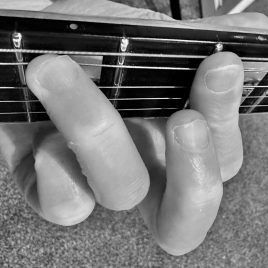
Youngsters & Adults
You might have played before and are now available to commit your time to re-learning the instrument again. You were a high grade achiever and you need the gaps in your musicle memory rekindling again. You have never played before and you like challenges; whether for fun or grades, or a parent with a youngster who has enthusiasm.
From beginner to intermediate
At the beginning, the basics are the same. Regardless of which style it is you want to achieve, you’ll need to master a few basics first which will include, co-ordination, fretting strength, stamina and musicle memory. This will be the same whether you’re an adult or a youngster. The length of time and concentration will of course vary from person to person.
Once you’ve developed a basic skill level, we can then chat about what style you want to focus on. All lessons are bespoke and on a one to one basis.
You can choose to have your lessons online, in person or a mixture whether completing your DofE, learning for grades, or making a start on your music theory journey.

Duke of Edinburgh
The Duke of Edinburgh awards is a scheme that helps 14-24 year olds develop their life skills through meaningful achievements. One of these is the skills section which is where learning the guitar becomes relevent. It’s an instrument that takes a life time to learn and is a realistic stepping stone for achieving the bronze, silver & gold awards.
If you’re completing The Duke of Edinburgh’s Award Skills section, your Bronze, Silver or Gold award will reflect the time and consistency you commit each week outside of lessons.
Each level builds on the last:
Bronze – Establishing core foundations and structured weekly practice
Silver – Developing technical control, musical awareness and longer-term focus
Gold – Demonstrating independence, stamina and performance-level consistency. Your progress isn’t just about attending lessons — it’s about what happens between them. You’ve achieved the ground work for developing a life long skill, ready to continue?

You’ve been playing a while
There’s a difference between, gig ready, exam ready, practice ready and being gig ready is subjective depending on what you want to achieve. 3-4 songs at an open mic? Depping as a guitarist for a covers band? Background guitarists, typically finger-style melodies for events?

Electric, classical, acoustic & music theory
You have time to work towards grades because they provide structure and meaning. Practical grades 1-8 are available and 1-5 with ABRSM.
Exams can be submitted in the form of a continuous video with or without scales depending on which options & exam boards you choose. Music theory grades can also be competed online at any time with ABRSM
Music theory gives you the understanding behind what you’re playing — not just shapes and patterns, but why they work.
Developing theoretical knowledge will:
While theory isn’t guitar-specific as a syllabus, it becomes extremely practical when applied to the fretboard.
As a guitar teacher, I translate theory directly into shapes, intervals, scales and harmony across the neck.
Many guitarists rely purely on tabs or patterns and never fully unlock the instrument. If reading music or understanding notation has been a gap in your knowledge, we can address it properly and progressively.
What to expect
What you need to know is that after your intro you’re expected to sign up to either a 30 45 or 60 minute session each week. Consider why you’re learning and what lesson length would suit you and your situation best.
Lessons aren’t rescheduled because you’re asking to swap with somebody else and that somebody else could well have been you! Life gets in the way sometimes, if you can’t attend we’ll take a rain check and resume the next week at the same time whether online or in person, a mix. Lessons are term time with a monthly payment continuing through out the year. It’s a month’s notice / final payment to cancel. You’re billed on the 1st or 2nd of each month.
It’s now time to consider booking your 30, 45 or 60 minute intro.